
Traffic Signals & Street Lighting
Traffic signals and street lighting keep Ontario roads safe and organized day and night. Either new new signal systems are designed from the ground up or improve existing ones with better timings. Street lighting designs ensure roads, intersections, and pathways have proper illumination for safe travel. From traditional intersections to advanced transit priority systems, designers help move people efficiently while protecting vulnerable road users.
2 min read
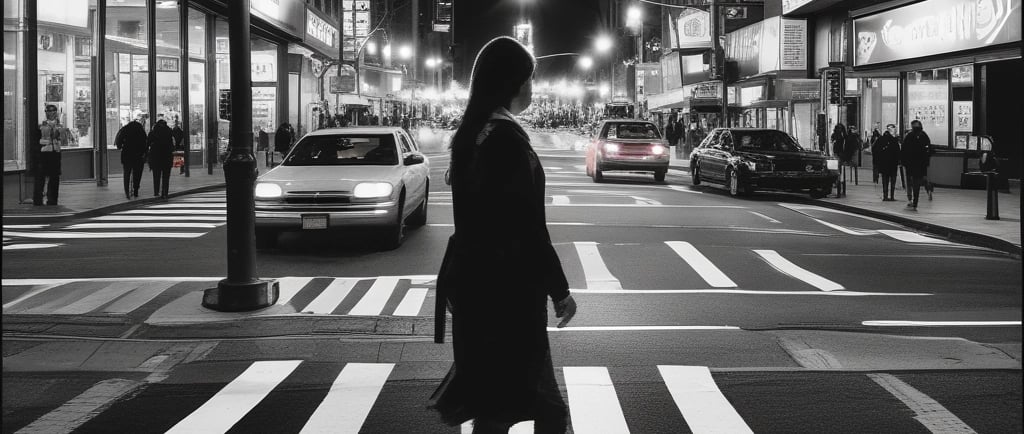
Traffic signal design and review (intersections and mid‑blocks)
Every traffic signal design must meet Ontario's design and safety standards and handle local traffic patterns. A typical signalized intersection design include signal heads, pedestrian push buttons, and detection systems that sense waiting vehicles. For mid-block crossings like school zones, various types of pedestrian signals are used that stop traffic safely for pedestrians. Every design is reviewed to ensure signals are visible, properly timed, and accessible to all road users.
Signal timing – optimization and synchronization
Good signal timing reduces stops and delays for drivers across Ontario. It optimizes individual intersection timing to give green lights when traffic is heaviest. For corridors, multiple signals are syncronized so vehicles get a series of green lights, reducing stops and save gas. Using specialized software and field observations, timing plans are created that balance the needs of main streets and side streets.
Transit signal priority strategies and implementation support
Transit signal priority (TSP) gives buses and light rail vehicles extra green time to stay on schedule. Study involves reviewing transit routes and traffic patterns to design TSP systems that help public transportation without hurting general traffic flow. Implementation includes programming signal controllers and testing systems. TSP makes buses more reliable, encouraging more people to use public transit and reducing overall traffic.
Street lighting layouts and assessments for roads, intersections and active transportation facilities
Proper lighting prevents crashes and makes people feel safe walking and biking at night. Street lighting layout should provide consistent brightness without dark spots. At intersections, extra lighting is provided to help drivers see crossing pedestrians. For active transportation facilities like bike paths, multi-use trails, lower-level lighting help guide users without light pollution. Lighting assessments check existing lighting against current standards.
Pedestrian and bike signal studies
Pedestrians and cyclists need special signal timing to cross streets safely. Studies are conducted at Ontario intersections to determine how much "walk" time pedestrians need and whether bike signals should be separate from vehicle signals. Adopting proven measures such as leading pedestrian intervals give walkers a head start before cars turn which improve safety. For busy bike routes, bike signals reduce conflicts between cyclists and turning vehicles.
Get in touch with TERDAC today.
© 2026. TERDAC, All rights reserved.