
Traffic Operations & Development Support
Traffic operations analysis helps Ontario communities get the most out of their existing roads. It studies how traffic moves through intersections, corridors, and entire networks to find ways to reduce delays and improve safety. Development support services help builders and municipalities understand how new projects affect traffic and what improvements are needed. Using field studies and computer analysis, data-driven solutions are generated that make Ontario roads perform better.
2 min read
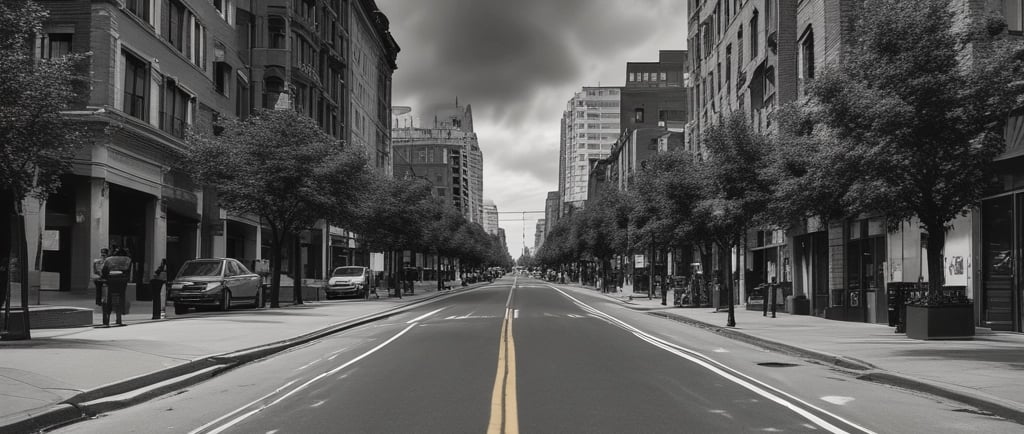

Traffic operations analysis at intersections, corridors and networks
Traffic operations are analyzed at three levels: single intersections, entire corridors, and citywide networks. At intersections, delays and queues are measured to find bottlenecks. For corridors, multiple traffic signals are studied together to create green waves for smooth travel. Network analysis looks at how traffic spreads across Ontario communities. These studies help municipalities prioritize improvements that reduce congestion for all drivers.
Intersection delay studies
Nobody likes waiting at red lights longer than necessary. Iintersection delay studies measure exactly how much time drivers lose at Ontario intersections during peak hours. This uses stopwatch studies and video analysis to calculate delay per vehicle. This data shows which intersections need signal timing changes, turn lanes, or other improvements to cut waiting time and reduce frustration for drivers.
Travel time and delay studies
Travel time studies measure how long it takes to drive from point A to point B. Test vehicles are sent through Ontario corridors during different times of day to record actual travel times. By comparing these times with posted speed limits, we identify where delays happen and why. These studies help cities decide where to add lanes, adjust signal timings, or make other changes to help drivers reach their destinations faster.
Spot speed studies
Spot speed studies measure how fast vehicles travel at specific locations. Radar guns or automatic counters are used to gather speed data on Ontario streets. This information helps determine if speed limits need changing, if police enforcement is needed, or if traffic calming measures like speed bumps should be installed. Speed data is presented in easy-to-understand charts that show whether most drivers are obeying the law.
Volume and turning movement counts (TMC)
Traffic volume counts tell us how many vehicles use a road each day. Turning movement counts (TMC) record the number of cars turning left, right, or going straight through intersections. This data is essential for designing proper lane lengths and signal timing. Such counts are either done manually or with automatic counters at Ontario locations to give municipalities accurate traffic numbers for planning decisions.
Parking lot occupancy, turnover and planning
Good parking planning helps businesses and communities thrive. It studies how full parking lots get during peak hours and how long vehicles stay parked. This occupancy and turnover data helps Ontario property owners design lots that have enough spaces without wasting land. It also help cities create on-street parking plans that balance merchant needs with traffic flow.
Before‑and‑after operational studies to evaluate implemented changes
Before-and-after studies prove whether traffic improvements actually work. It measures traffic conditions before a project starts, then return after completion to compare results. These studies show Ontario municipalities and funding agencies that their investments in new signals, turn lanes, or other changes delivered real benefits. It is represented through clear reports with charts that demonstrate success in reducing delays or crashes.
Get in touch with TERDAC today.
© 2026. TERDAC, All rights reserved.