
Traffic Engineering Design & Review
Traffic engineering design focuses on building the physical parts of roads that Ontario drivers use every day. It is to create detailed plans for intersections where streets meet and mid-blocks where cars travel between intersections. Traffic engineers reviews and approves designs to ensure they meet safety standards and work efficiently for all road users. From pavement markings to street lighting, engineering designs include every detail to keep Ontario's roads safe and functional.
2 min read
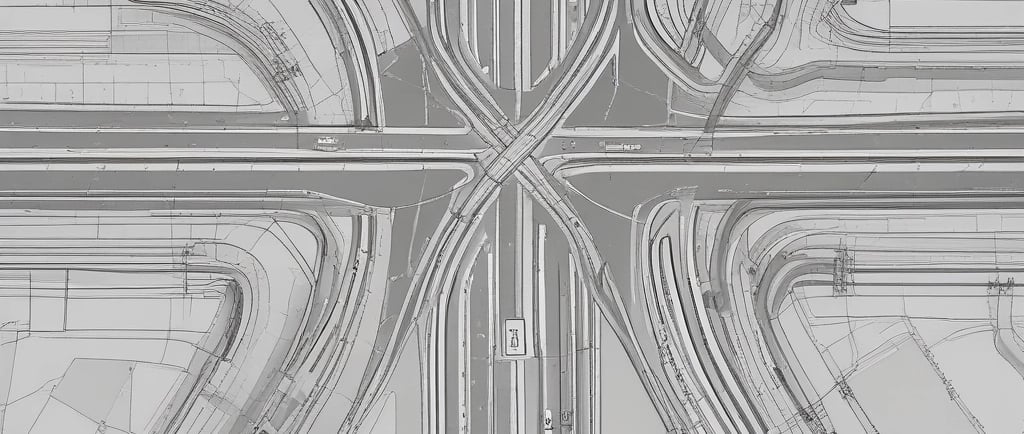
Traffic engineering design & review – intersections and mid‑blocks
Intersections are where most traffic crashes happen, so good design saves lives. Engineered intersection layouts give drivers clear sightlines and enough time to make turns safely. For mid-block sections, lane widths, curbs, and drainage handle traffic smoothly between intersections. Designer review process checks that all Ontario road designs follow standard engineering practices and protect pedestrians, cyclists, and motorists.
Design and review of pavement markings and traffic signage
Pavement markings and signs guide drivers like a roadmap on the road surface. These help Ontario drivers know where to go. Traffic signage plans must place stop signs, speed limit signs, and warning signs at just the right spots for maximum visibility. Reviewing existing markings and signs to make sure they meet current standards and keep traffic moving safely is also critical.
Street lighting design and review
Proper street lighting helps Ontario drivers see hazards and pedestrians at night. Designing lighting systems that illuminate roads and intersections without creating glare for neighbors is important. Reviews must check that lighting levels meet Ontario standards for brightness and coverage. Considering lighting for active transportation facilities like bike paths and walkways, making sure these routes are safe after dark.
Access management and site circulation planning (driveways, loading, internal circulation) – based on standard practice
Every development needs safe ways for vehicles to enter and exit. Planning driveway locations, loading zones, and internal circulation patterns is required to keep traffic flowing smoothly on Ontario roads. Access management designs prevent dangerous situations where too many driveways crowd a busy street. Balancing the needs of businesses with the safety of through traffic in mind is required to follow standard Ontario practices for spacing and design.
Roundabout planning, analysis and design
Roundabouts are circular intersections that keep traffic moving safely without the need for traffic signals. Detailed analysis whether a roundabout fits Ontario locations by studying traffic volumes and crash history is important. Designs must include proper lane widths, signage, and pedestrian crossings that make roundabouts safe and easy to use. Roundabouts reduce serious crashes and delays compared to traditional intersections, and a traffic engineer designs them to handle trucks, buses, and cyclists safely.
Get in touch with TERDAC today.
© 2026. TERDAC, All rights reserved.