
Project Delivery, Environmental Assessment & Advisory Services
Project Delivery, Environmental Assessment, and Advisory Services cover the management, regulatory compliance, and technical support required to plan and construct transportation infrastructure in Ontario. These services ensure projects meet provincial engineering standards, environmental protection laws, and fiscal accountability requirements while delivering safe, functional roads.
2 min read
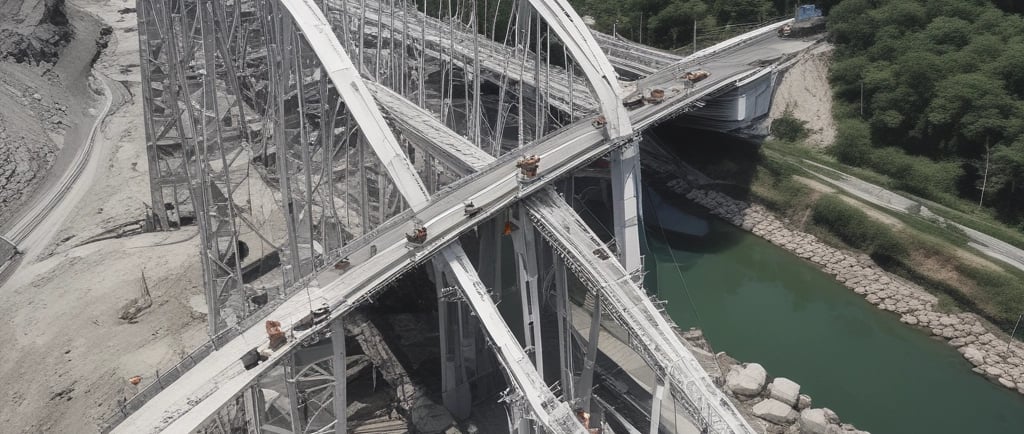
Project management, supervision, inspections, contract administration
Project management involves coordinating all aspects of construction from initial budgeting and scheduling through to final acceptance, ensuring contractors complete work on time and within approved financial limits. Supervision and inspections require engineers to regularly visit construction sites to examine materials quality, verify that asphalt thickness and concrete strength meet specifications, and ensure construction matches approved design drawings. Contract administration handles the legal and financial paperwork, including processing payments to contractors only after verifying satisfactory work, managing change orders when unexpected conditions arise, and resolving disputes through established protocols that protect the road authority's interests while maintaining fair relationships with construction firms.
Environmental Assessment (EA) assistance
Environmental Assessment assistance is mandated under Ontario law for major transportation projects and involves systematically studying potential impacts on natural habitats, water quality, air pollution, and noise levels before construction receives approval. Engineers work with biologists and environmental scientists to identify endangered species habitats, wetlands, or fish spawning areas that could be affected, then design project alternatives that avoid or minimize these impacts. The EA process requires extensive public consultation where community members can voice concerns about traffic diversion during construction or loss of green space, ensuring that road projects balance transportation needs with environmental protection and community values.
Preparing technical reports, analyses, planning studies, simulations and modelling
Technical reports document the engineering rationale for project decisions, presenting traffic volume forecasts, collision history analysis, and cost-benefit calculations in formats that non-engineering decision-makers can understand. Planning studies use computer simulations and traffic modelling software to predict how proposed changes will affect traffic flow five, ten, or twenty years in the future, allowing designers to size intersections appropriately for growth. These analyses explore multiple alternatives, such as comparing roundabout versus signalized intersection performance or evaluating different lane configurations, providing municipal councils with objective data to select options that best serve community needs while staying within budget constraints.
Support to improve road authority efficiency (processes, standards, operations)
This support helps Ontario municipalities update their internal engineering standards, streamline maintenance operations, and adopt new technologies that allow smaller staffs to manage larger road networks effectively. Consultants review existing procedures for handling winter maintenance, pothole repairs, and traffic signal maintenance to identify bottlenecks or redundant steps that waste time and money. By implementing standardized work processes, improving inventory management for road materials, and training staff on modern equipment and software, road authorities can extend the lifespan of existing infrastructure and respond more quickly to emerging safety issues without necessarily increasing tax-funded budgets.
Get in touch with TERDAC today.
© 2026. TERDAC, All rights reserved.