
Intelligent Transportation Systems (ITS) & Smart Mobility
Intelligent Transportation Systems use computers, cameras, and communication technologies to monitor and manage traffic flow on Ontario roads in real-time. These smart systems help reduce congestion, improve safety, and provide travelers with up-to-date information about road conditions.
1 min read
Intelligent Transportation Systems (ITS) and Advanced Traffic Management Systems (ATMS)
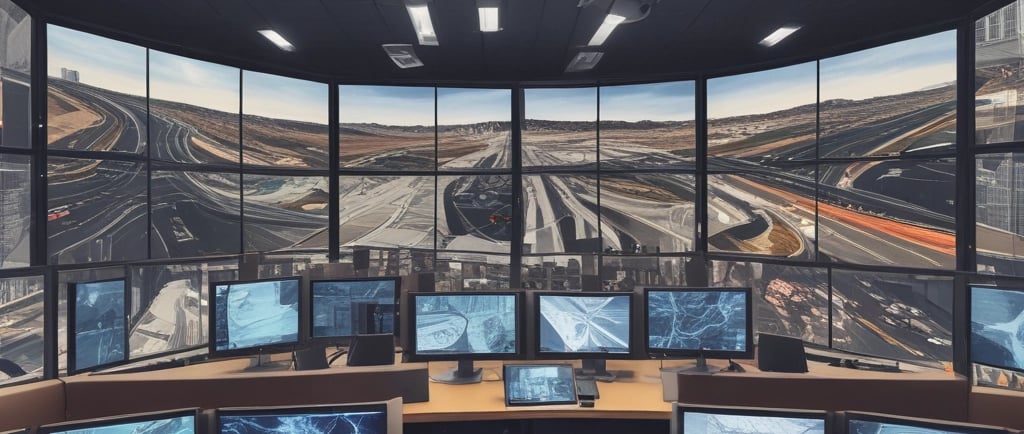
Advanced Traffic Management Systems serve as the central brain for traffic operations, where operators monitor live video feeds from highway cameras and receive automatic alerts when sensors detect traffic slowdowns or incidents. These systems allow traffic managers to adjust signal timing remotely, activate electronic message signs to warn drivers of hazards ahead, and coordinate responses with emergency services during accidents or severe weather events. By continuously analyzing traffic patterns across the entire road network, ATMS helps keep roads running safely and efficiently during daily rush hours and unexpected disruptions.
Smart city projects and connected vehicle initiatives
Smart city projects bring together traffic signals, streetlighting, vehicles, and roadside sensors into a connected network where information flows continuously between infrastructure and drivers. Connected vehicle technology allows cars to receive warnings about icy bridges, sharp curves, or pedestrians crossing ahead, even when the driver cannot see these hazards directly. In Ontario cities, these initiatives improve safety by reducing the reaction time needed to avoid crashes and help traffic move more smoothly by allowing vehicles to adjust their speed based on upcoming signal changes.
Integration of data collection, signal systems and traveller information
This integration combines information from road sensors, traffic cameras, and GPS data to give drivers real-time updates about accidents, construction zones, or heavy congestion through smartphone apps or electronic roadside signs. When traffic management centers detect a problem, they can instantly broadcast warnings to approaching vehicles and automatically adjust traffic signal timing to prevent long backups from forming. By connecting these three elements - data collection, signal control, and public communication -transportation agencies create a seamless system that helps everyone make better travel decisions and reach their destinations more reliably.
Get in touch with TERDAC today.
© 2026. TERDAC, All rights reserved.