
Data Collection & Analytics
Data Collection and Analytics involves gathering numerical information about how vehicles and people use roads to support planning, design, and operational decisions in Ontario. Engineers use this quantitative data to determine appropriate speed limits, design intersection layouts, and identify locations where traffic calming measures might improve safety etc.
2 min read
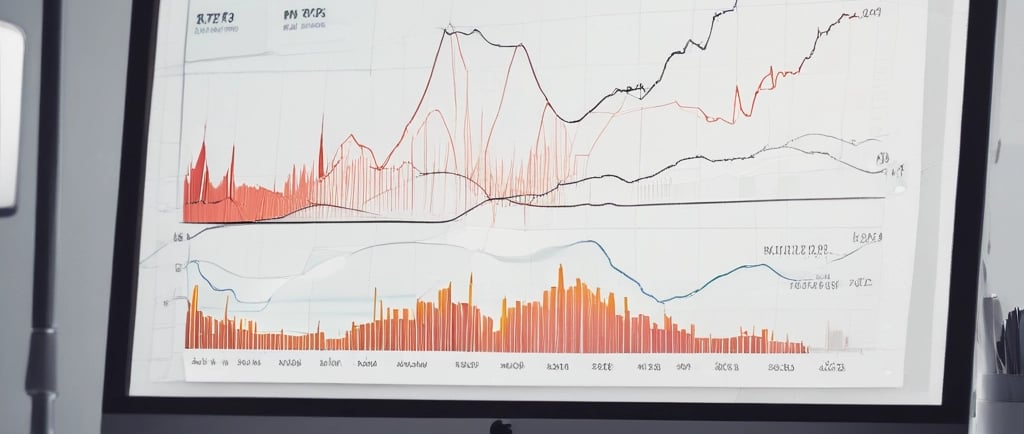
Traffic data collection (manual and automated)
Manual data collection requires trained technicians to stand at intersections with counting boards to record vehicle movements, pedestrian crossings, and cyclist activity during specific time periods, providing detailed observations about traffic behavior. Automated methods use technologies like pneumatic tubes laid across pavement that count axles as vehicles pass, inductive loops embedded in roads that detect metal vehicles, and video cameras with computer vision software that automatically classify and track different road users. Both approaches are essential because manual counts capture specific turning movements and human behaviors while automated systems can collect data continuously for days or weeks without human presence, giving engineers a complete picture of traffic patterns.
Traffic counts (turning movement counts, classification counts)
Turning movement counts track exactly how many vehicles travel straight through an intersection, turn right, or turn left during each signal cycle, helping engineers design signal timing that gives appropriate green time to each direction. Classification counts go further by distinguishing between passenger cars, delivery trucks, semi-trailers, buses, and bicycles, which is crucial because heavy vehicles accelerate slower and need wider lanes than cars. Understanding these specific movements and vehicle types ensures that intersections are designed with enough capacity for actual traffic patterns and that roads are built strong enough to handle the weight of trucks that regularly use them.
Travel time and delay studies
Travel time studies measure how long it takes vehicles to travel between two points during different times of day, allowing engineers to identify congestion hotspots where traffic consistently moves slower than the posted speed limit. Delay studies specifically quantify how much time drivers waste stopped at red lights, waiting in queues behind other vehicles, or crawling through bottlenecks compared to driving at free-flow speeds. By analyzing this data, transportation agencies can prioritize intersection improvements, adjust signal coordination along corridors to create "green waves" where drivers hit consecutive green lights, and provide accurate travel time predictions to the public through navigation apps.
Volume and speed studies
Volume studies count the total number of vehicles using a specific road segment over a set period, typically expressed as Annual Average Daily Traffic or peak hour volumes, which determine whether a road needs widening or additional lanes. Speed studies measure the actual operating speeds of vehicles using radar guns or automated counters to establish the 85th percentile speed, which represents the speed at or below which 85 percent of drivers travel, and is used to set realistic speed limits. When there is a significant difference between the posted speed limit and actual operating speeds, or when volumes exceed road capacity, engineers know that geometric improvements, traffic calming, or operational changes are necessary to maintain safety and efficiency.
Before‑and‑after data programs
Before-and-after data programs require engineers to collect comprehensive traffic data immediately before implementing changes like new traffic signals, roundabouts, or bike lanes, then return to collect identical data one year after installation. This scientific approach allows transportation agencies to objectively measure whether safety improvements actually reduced collision rates, whether traffic calming measures slowed vehicles as intended, or whether new turn lanes reduced congestion. By comparing identical metrics collected under similar weather and seasonal conditions, road authorities can prove that public funds were spent effectively and learn which types of interventions work best for future projects.
Get in touch with TERDAC today.
© 2026. TERDAC, All rights reserved.